
Self-Publishing Authors: A Dust Jacket’s a Waste and Don’t Waste that Dust Jacket
Spoiler alert: Turn your book wrap into a poster (or catalog)

Two things strike me as true about the world of book publishing:
When it comes to book production there are a ton of specific rules and norms, and if you’re playing the game correctly, you simply follow them.
When it comes to book marketing, hell, anything goes. You do what you can to get the results you want.
Then, at least in my experience, there’s the rare, occasional rule of thumb that never leaves you. I want to talk about one of them today because it’s a production rule I’ve always followed but it now comes with a marketing caveat.
The unwritten truism I learned in my twenties and still abide by is this: Don’t give your reader more book than they want. Read: Don’t make them buy more book than they want.
That is, don’t go gaga over paper, binding, editorial, and design choices — unnecessary production values — than the reader of this particular book expects and is willing to pay for.
Don’t do it.
Most readers for most books will be fine with the standard white paper and paperback cover, give or take some acceptable variations like offwhite paper and a matte finish on the cover.
If you’re paying for the sewn in ribbon bookmark or the full color foldout map or the $8,000 index (all real examples), then you better have a damn good reason to absorb those luxuries into the cost of the book.
If your book will be selling to thousands of libraries, you spring for a printing with library binding. If you’re issuing a standard nonfiction hardcover on a serious topic, readers will be expecting a dust jacket for that $28.95 cover price.
Which brings us finally to dust jackets.
For most self-published authors, they are a waste of money. Don’t do it unless your readers and brand and sub-genre require it. Certain cookbooks. Certain beautiful children’s books. The abovementioned serious hardcovers.
Don’t make your readers buy more book than they want. And certainly don’t absorb the price on your end either.
But, here’s the marketing caveat for this rule of thumb.
If you can — and should — turn your dust jacket into a poster, go for it.
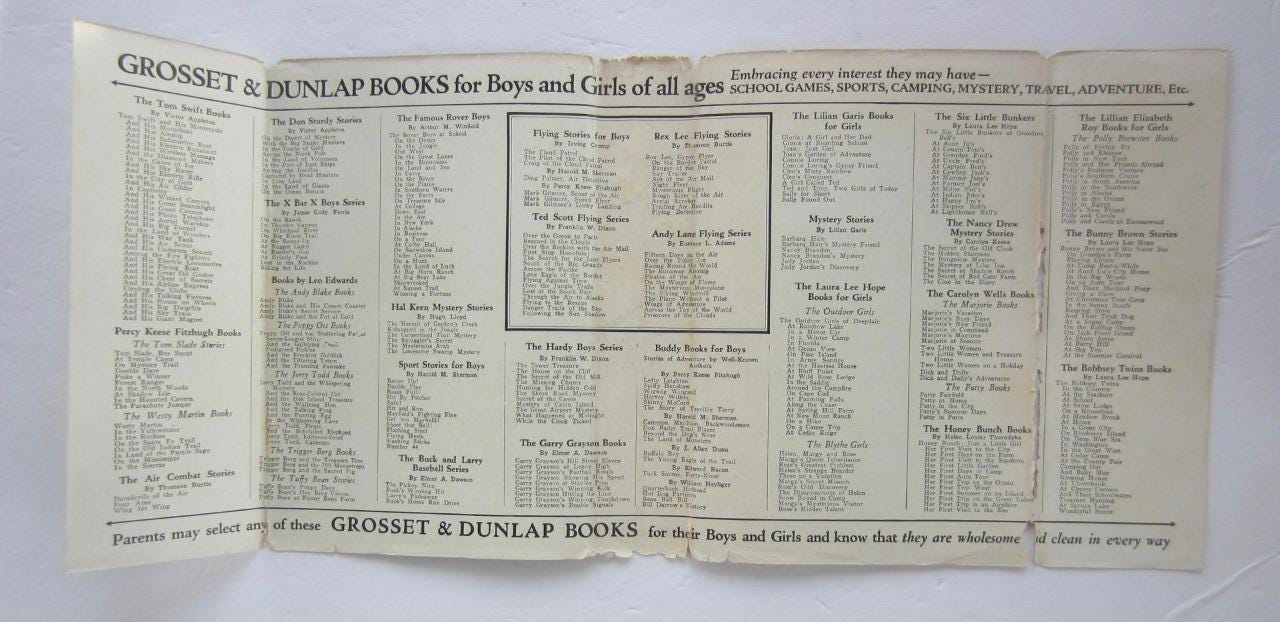
That is, the outside of your dust jacket is the book cover and the inside is a poster! Suitable for hanging, for framing, for reference. Pay for the dust jacket because it extends the value for your product, it gives your reader a bonus, and it’s an awesome marketing angle. [Thanks to children’s author/food allergies educator Katie Holl for resurrecting this idea for me.]
What kind of books might use posters?
Art books (special edition artwork by the author)
Educational books (20 must-remember geometry equations)
Parenting books (symptoms of the most common childhood illnesses and when to call the doctor, common childhood food aller)
Health, fitness, and diet books (checklist for training for your first triathalon)
Cookbooks (the only conversion chart you’ll ever need)
Travel guides (map showing a country’s top itineraries)
Business books (the step-by-step for starting your new business in 30 days)
Finance books (top investment rules of thumb from finance gurus)
Sports books (full-color spread of your hometown team)
You get the idea. There may be options for a large percentage of books if you’re game for going there.
To keep in mind if you go the dust jacket poster route
Once that dust jacket is put into service as a poster in the reader’s home, office, classroom, what does the book look like underneath?
Can it remain basic and plain or should it be more heavily designed for its future naked existence?
Also, make sure you find a good place on the poster side to repeat the title of the book and perhaps include a URL or QR code for the benefit of all who view the poster when hung.
What else?
Consider if you can and should repurpose the material from the dust jacket poster on swag (bookmarks, postcards, tote bags) as well as for-sale merchandise (refrigerator magnets, laminated charts for classrooms, corresponding journals). For frameable art, what about tracking down the right frame/mat sizes and selling them on your website alongside the book. Suitable for framing! — and here’s the frame.
Don’t Waste the Momentum!
If an income-generating, sustainable author business you love matters to you, then join us here! It’s only $8/month to try out or $72/year, which amounts to investing about 20 cents a day on behalf of your goals. It’s worth it. Guaranteed. Any time you don’t think you’re getting your money’s worth, please request a refund.